
Rabies is a viral disease affecting the central nervous system. Rabies is spread through contact with the saliva and nervous tissue from a rabid animal through a bite, scratch, or contact with mucous membranes, such as of the eyes, nose, or mouth.
The early signs of rabies can be fever or headache, but this changes quickly to central nervous system symptoms, such as confusion, sleepiness or agitation.
Once these symptoms are exhibited in a person infected with rabies, death usually occurs in a matter of weeks. Fortunately, human rabies cases in the United States are rare, and there is effective treatment to prevent rabies as long as the treatment is given soon after exposure.

Report an Animal Bite
Fax this form to 941-526-1534 or call Sarasota County Animal Services at 941-861-9500.
How to Determine Treatment
The decision to initiate rabies post-exposure prophylaxis (PEP) after a potential exposure should be made following a thorough risk assessment. Consider the animal’s species, the circumstances of the bite or other exposure, the vaccination status of the animal, the availability of the animal for observation or rabies testing, and the presence of rabies in the region.
Note: Domestic animals (dogs, cats, and ferrets) that bite, or otherwise potentially expose a person to rabies, can be confined for observation for 10 days. Livestock, including horses, can be confined for a 14-day observation period. Humans exposed to an animal that can be monitored rarely require post-exposure prophylaxis.
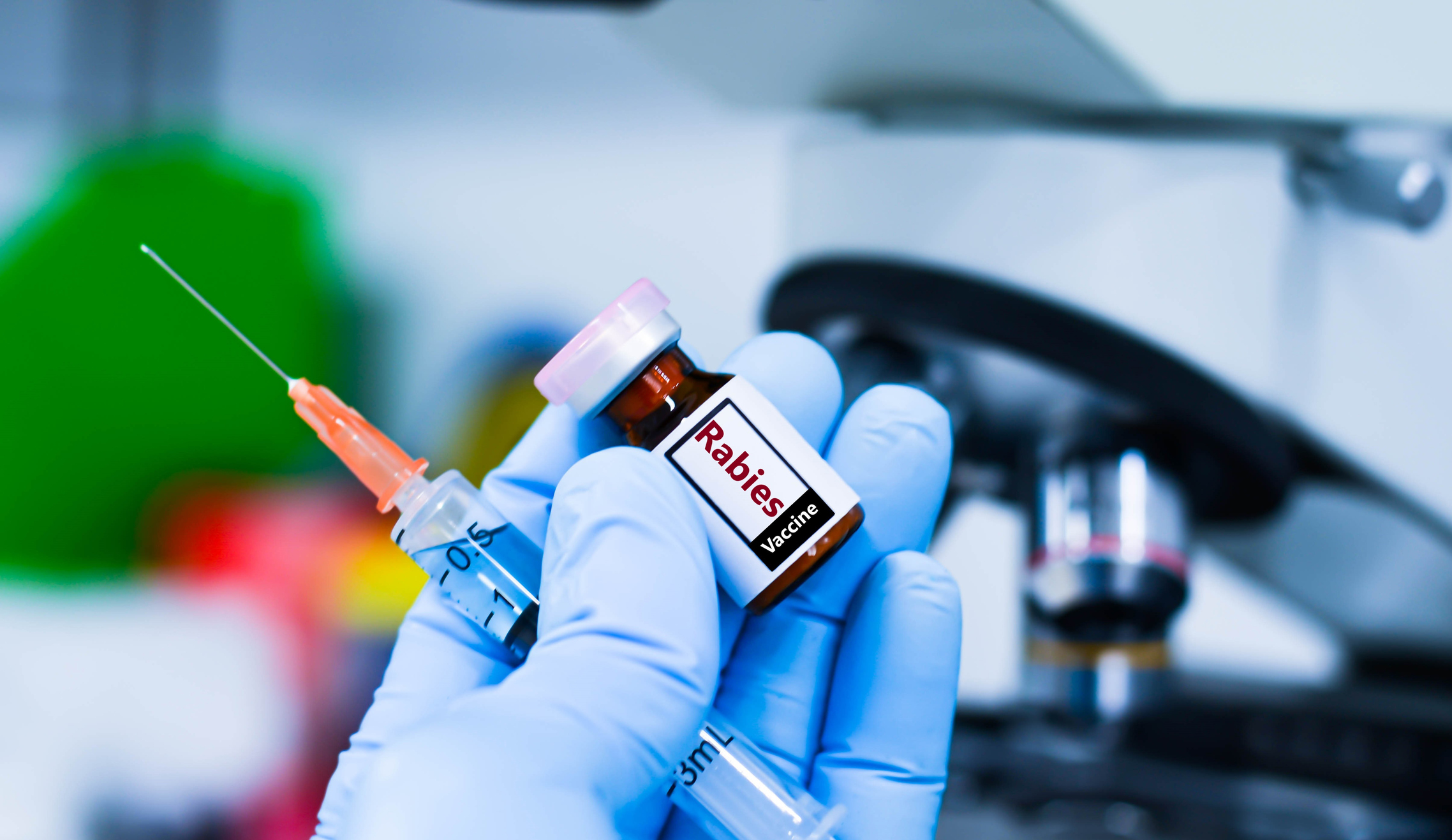
We’re here to help
If you have any questions about whether to administer PEP, call DOH-Sarasota at 941-861-2784 or 941-861-3864.
Risk Categories
Under Chapter 381, Florida Statutes, and Rule 64D-3, Florida Administrative Code, any known or suspected human exposure to rabies—such as an animal bite or scratch that breaks the skin—must be immediately reported to your local county health department.
A suspected rabid animal is any mammal capable of transmitting rabies regardless of risk category. Provoked scratches from healthy dogs with a rabies vaccine history do not need to be reported. Call DOH-Sarasota at 941-861-6133 for assistance with animal testing.
There are three categories of rabies exposure risk for different animal bites and guidelines for each category.
High Risk
Outdoor cats and wild animals: bats, raccoons, foxes, bobcats, skunks, and otters
Initiate post-exposure prophylaxis (PEP) unless animal can be tested promptly.
Moderate Risk
Stray dogs, head/neck bites
PEP may be initiated on case-by-case basis.
Low Risk
Healthy appearing domestic animals: dogs, cats, ferrets, rabbits, small rodents, livestock, and non-human primates
PEP rarely necessary. Observation days vary depending on the animal.
Rabies Post-Exposure Prophylaxis (PEP) Schedule
| Product/Method | Route | Unvaccinated Person | Previously Vaccinated Person | Immunocompromised Person |
|---|---|---|---|---|
| HRIG | Infiltrate Wound | Day 0 | None | Day 0 |
| Rabies Vaccine | IM (not gluteals) | Day 0, 3, 7, 14 | Day 0, 3 | Day 0, 3, 7, 14, 28 |
| Titers | N/A | None | Varies | 1-2 weeks post vaccination |